- VINYL
- CD
- MC
- FILM
- K-POP
- MERCH
- Geräte & Zubehör
- UNSERE TIPPS
- National Album Day
- Rocktober
- Freitagsveröffentlichungen
- 2026-07-24
- 2026-08-07
- 2026-08-14
- 2026-08-21
- 2026-08-28
- 2026-09-04
- 2026-09-11
- 2026-09-18
- 2026-09-25
- 2026-10-02
- 2026-10-09
- 2026-10-16
- 2026-07-03
- 2026-06-26
- 2026-06-19
- 2026-06-12
- 2025-12-19
- 2025-12-12
- 2025-12-05
- 2025-11-28
- 2025-11-21
- 2025-11-14
- 2025-11-07
- 2025-10-31
- 2025-10-24
- 2025-10-17
- 2025-10-10
- 2025-10-03
- 2025-09-26
- 2025-09-19
- 2025-09-12
- 2025-09-05
- 2025-08-29
- 2025-08-22
- 2025-08-15
- 2025-08-08
- 2025-08-01
- 2025-07-25
- 2025-07-18
- 2025-07-11
- 2025-07-04
- Record Store Day
- Die Metal-Woche
- Game Soundtrack All Media
- Bengans Vertrieb
- Musikboxen
- Musikbücher
- Signierte Alben
- Eurovision
- 200 Alben, die man auf Vinyl besitzen sollte
- ANGEBOTE
- Geschenkkarte
- Kundendienst
- FAQ

-%
Sparen
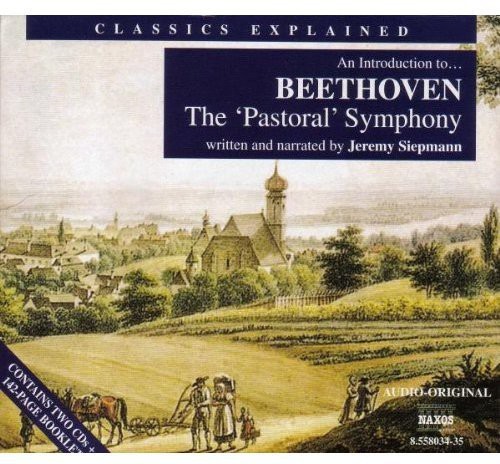
Beethoven Ludwig Van - Introduction To Pastoral
CD
€24.99
Fakten
| Band: | Beethoven Ludwig Van |
| EAN: | 0636943803424 |
| Einheiten in der Verpackung: | 1 stk |
| Label: | Naxos |
| Lieferanten-Art.-Nr.: | 855803435 |
| Medien: | CD |
| Veröffentlichungsdatum: | 2002-09-01 |
- 1. On Beethoven's Openings
- 2. Opening Phrase of the 'Pastoral': Mood, Symbolism and Musical Function
- 3. Musical Acorns: The Outline of Melody; the Shape of a Question
- 4. The 'Question' in the 'Pastoral' Repeated
- 5. ... And Answered
- 6. The Opening Phrase Ends on a Note Full of Pregnant Expectation
- 7. Starting with a Stop
- 8. The Rhythmic Profile of the Opening Phrase; a Two-Part Construction
- 9. Phrase One, Part One
- 10. Phrase One, Part Two
- 11. The Properties of Rhythmic Ambiguity; the 'Question' of Phrase One Answered
- 12. Phrase Two: From Meander to March
- 13. The Makings of a Conversation: Contrast and Variation
- 14. Repetition As a Major Factor, But It's Never Mere Repetition; Each Time Something New Is Added
- 15. From Soft to Loud and Back Again; Instrumental Enrichment from Horns and Double-Basses
- 16. Mega-Repetition: Violins Play Exactly the Same Little Fragment Ten Times in a Row
- 17. But No Two Repetitions Are Quite the Same; Variaties of Contrast
- 18. More Variation; Pitch Rises; Violins Joined First By the Clarinet, Then By the Oboe
- 19. Return to Opening Idea, But with New Instrumentationand Articulation
- 20. Clarinets, Horns, Bassoons and Flutes Now Join Expansive Variation
- 21. 'New' Insistent Rhythm Derived from the First Four Notes of the Piece
- 22. With the Dawn Chorus, a Whole Forest Is Waking Up; Feelings of Rapture
- 23. First Violins Play a Derivative of the Opening Figure, Joined By Wind and Strings
- 24. Sudden Change of Key, from the Home Key (Tonic) to the Dominant
- 25. Arrival at the Highly Contrasting Second Main Theme
- 26. Unusual Properties of Second Main Theme
- 27. Rhythmic Clash Between Simultaneous Groups of Three Beats and Groups of Two
- 28. Winds Fall Silent As the Violins and Violas Interrupt with a New Theme
- 29. Winds Answer with the Same Morse-Like Rhythm, But at Half the Speed
- 30. Crescendo Leads to Strings' Acceleration of the Pace with No Increase in Tempo
- 31. Beginning of Coda, Directly Based on Morse-Like Rhythm of the Main Theme
- 32. Strings Reiterate Small Fragmentof the New Theme 13 Times in a Row
- 33. A Simple, Rising Violin Phrase Leads to a Repeat of the Exposition
- 34. The Nature and Function of the Development Section in Sonata Form; 'Harmonic' Rhythm Explained
- 35. The Nature of Harmonic Rhythm Illustrated
- 36. A Typically Beethovenian Exercise in the Frustration of Expectation
- 37. Repetitiousness and Magic Effected Largely Through Instrumental Colour
- 38. Then Come Four, Almost Identical Bars
- 39. Even Greater Magic, with Sudden Switch of Key and Tone Colour
- 40. Entire Development Section Up to This Point
- 41. The Development Continued
- 42. Increased Unease and Suspense As Harmonic Rhythm Accelerates
- 43. Arrival at the Point of Recapitualtion; Back to the Beginning, As a Reminder
- 44. Beginning of Recapitulation
- 45. More Beethovenian Frustrations of Expectations Which He Himself Has Just Set Up
- 46. Harmonic Rhythm Speeds Up, Giving the Impression of An Accent on Every Beat
- 47. Prevailing Mood Restored; New Themefrom Clarinets and Bassoons
- 48. Violins and Violas Take Up Theme; Horns, Cellos, Double-Basses Accompany
- 49. A Hush Falls, Followed By a Return of the Movement's Most Familiar Tag in Strings
- 50. Clarinet Takes Up the Running Triplet Figures of the Main Closing Theme
- 51. First Violins Take Up the Opening Phrase Again, Accompanied By Double-Basses
- 52. Beethoven Slips in One Last Surprise; Cue to Complete Movement
- 53. First Movement (Complete)
- 54. General Introduction; the Birth of a Melody
- 55. Brook Music Quickens; Syncopated Horns; Themes Change Hands; Evocation of Birdsong
- 56. The 'Mottl' Theme Introduced By Violins and Treated to Round-Like Overlappings
- 57. Transitional 'Bridge' Theme Sets Off for New Key Group. But Is It? and Does It?
- 58. Will He, or Won't He? Beethoven Keeps Us Guessing
- 59. The Run-Up to the Second Group
- 60. Arrival at the Second Group; But Where Is the Actual Second Subject?
- 61. A New Tune Is Introduced By the Bassoon
- 62. Tune Is Repeated Three Times
- 63. ... Which the Full Orchestra Now Takes Up in Varied Form
- 64. Theme Carried By Flutes and First Violins in a Charminglywaltz-Like Development
- 65. A Reminder of Precedent
- 66. Back to the Prevailing Triple-Metre with Violins, Bassoons and Flutes
- 67. Another Reminder of Precedent
- 68. ... and a Cue to Some Unexpected Departures
- 69. The Transformational Magic of Beethoven's Tone-Painting - and a New Variation
- 70. Conversation of Clarinet, Flute and Oboe on the Way to the Development
- 71. Harmonic Movement Emphasised By Violins; Oboe Takes Up the First Subject
- 72. Flute and Oboe Discuss the First Subject, Before Arriving Together at the Transistion
- 73. Gains in Volume and Intensity Lead to a New Key-Change
- 74. More Thematic Transformation Through the Agency of Tone-Colour
- 75. Harmonic Fluidity - Instability - As the Central Engine of the Development Section
- 76. Harmonic Instability, Thematic Dissolution Increase, Then Lessen with Approach of Recapitulation
- 77. Recap. And Transformation: Key and Material Are Right, But What a Change of Presentation!
- 78. Just When We Know What's Coming, Beethoven Changes the Rules (Or at Least the Harmony)
- 79. Transformation By Reorchestration; Switch to Long Sustained Chords; Then Everything Stops
- 80. The Silence Is Broken By Voices of Nightingale (Flute), Quail (Oboe), and Cuckoo (Clarinet)
- 81. First Violins Bring Back Motto Theme
- 82. Cue to Complete Movement on CD 2
- 1. Second Movement (Complete)
- 2. Beethoven and the Scherzo: An Introduction; Part One of Opening Phrase Taken By the Strings
- 3. Immediate Response: Part One Is Answered By a Much More Singing, Continous Legato
- 4. Entire Orchestra Gives Out Opening Theme, This Time Fortissimo and with Powerful Accents
- 5. A Musical Ball Game. The Contrast of This and the First Two Movements Could Hardly Be Greater
- 6. After Quietly Teasing Suspense, Beethoven Mocks Village Band, First the Oboe, Then the Bassoon
- 7. Clarinet Joins in, Then Horn Takes the Tune - the Dance No Longer Boisterous But Lyrical
- 8. Strings Sweep the Village Musicians Aside and Hurtle Us Into the New, Boisterous 'Trio' Section
- 9. The Air Is Alive with the Sound of (Mock) Bagpipes, Tambourines and Fifes
- 10. Coda; Begins As the Movement Itself Begins, But Soon Diverges in Harmony and Instrumentation
- 11. Original Layout Compressed; Order of Events Is Changed and Beethoven Springs a Big Surprise
- 12. Third Movement (Complete)
- 13. Unparalleled Portrait of Nature's Power Over Humanity, with Some Stupendous Orchestration
- 14. Self-Generating Form and Terror of Total Unpredictability; 'Anxiety Motif' from the Violins
- 15. The 'Lashing Rain' Motif - Downward-Driving Arpeggios from the First Violins and Violas
- 16. The 'Lightning' Motif, and It's Recurrence Later in the Movement
- 17. 'Rain' Motif, Derived from Descending Scale Pattern from the Violins at the Outset
- 18. Shivering Tremolandos from the Strings and Increasingly Eerie Harmonies from the Wind
- 19. Steady Crescendo in Strings; Terrifying, Downward Spelling-Out of Chords in the Violins
- 20. Extremes of Dynamic Contrasts; the Unsettling, Disturbing, Undermining Effects of Chromaticism
- 21. Abandonment of Melody, and Most Traces Even of Rhythm; Sustained, Discordant Harmony
- 22. Storm Dispersed, the Sun Reappears, Bathing Sodden Earth Below with It's Life-Giving Rays
- 23. Cue to Complete Performance of Fourth Movement
- 24. Fourth Movement (Complete)
- 25. 'Yodelling' Figure from Clarinet, Then Horn, Then Violins, Who Introduce the Main Theme
- 26. Details of Instrumental Magic in the Interplay of Horns, Cellos, Clarinets and Bassoons
- 27. Main Theme Heard Three Times in a Row
- 28. Now We Get the Whole Orchestra, Playing Full Out, with Violins All Double-Stopping
- 29. Transition to the Next Section, Based on the Last Two Notes of the Main Theme
- 30. The Rhythmic B
Tracklist
Weitere Artikel anzeigen
Andere haben gekauft:
-
10%
Sparen €5
€45.99
€50.99
LP
-
10%
Sparen €4
€36.99
€40.99
LP